When someone nearby searches for what you sell, your business either shows up or it doesn't. Local search decides that outcome more often than most business owners realize, through Google Maps, local search results, and increasingly through AI-powered search tools that pull directly from local listings and business information. This post covers practical strategies and current local SEO trends for improving your local search visibility and turning nearby searches into customers.
Understanding Local Search
Local search refers to the process of searching for products or services in a specific geographic area. This can include anything from finding a nearby restaurant to locating a local plumber. In one of Google's own mobile search studies, 76% of people who searched for something nearby on their smartphone went on to visit a related business within a day. It's an older data point, but the underlying behavior still holds: local search tends to convert into real-world visits quickly, which is why optimizing your online presence for local search matters.
The Importance of Local SEO
Local SEO (Search Engine Optimization) is the practice of optimizing your online presence to attract more business from relevant local searches. It involves various strategies aimed at improving your visibility in local search results. Here are some key benefits of investing in local SEO:
Increased Visibility: By optimizing your website and online listings, you can appear in local search results, making it easier for potential customers to find you.
Higher Conversion Rates: Local searches often indicate a strong intent to purchase. When users find your business in local search results, they are more likely to convert into paying customers.
Competitive Advantage: Many businesses overlook local SEO, giving you an opportunity to stand out in your community.
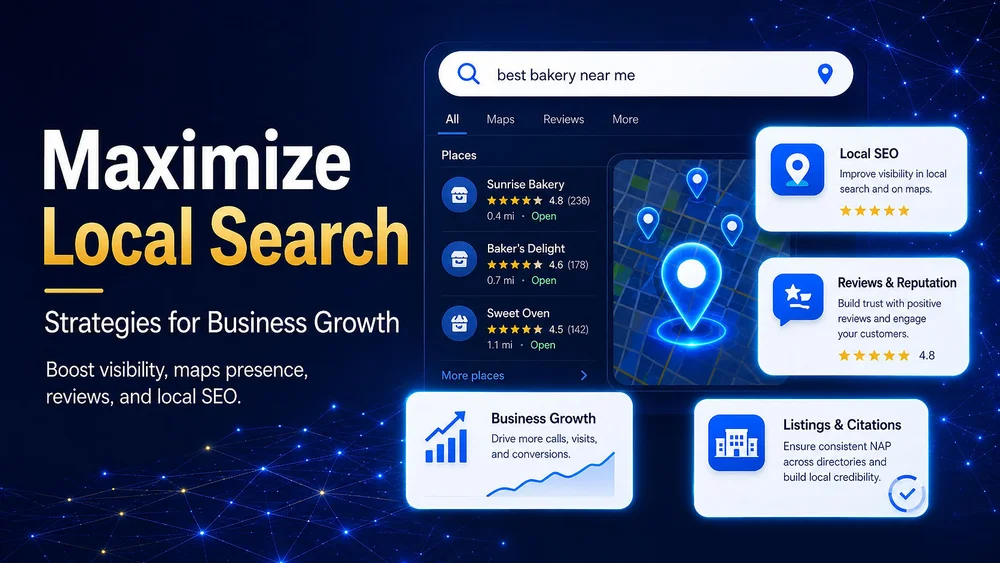
Key Strategies for Maximizing Local Search
To effectively leverage local search for your business growth, consider implementing the following strategies:
1. Optimize Your Google Business Profile Listing
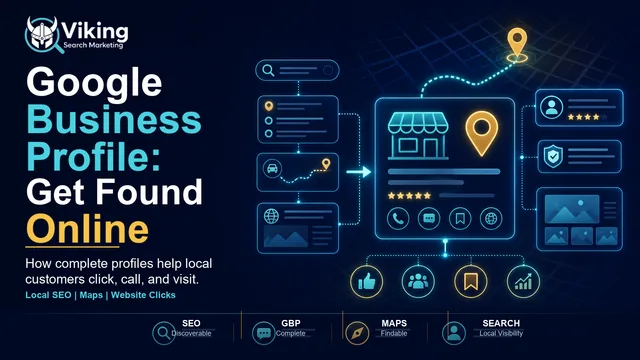
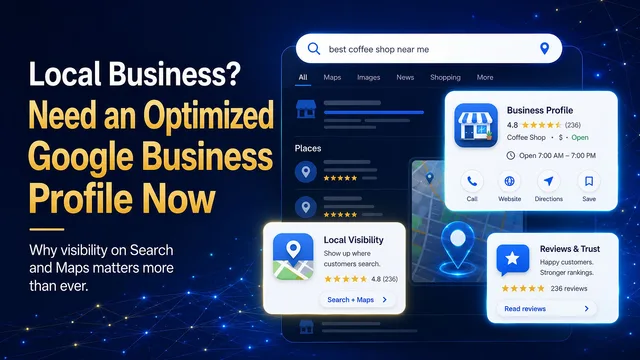
Your Google Business Profile (GBP) listing is a vital tool for local SEO. It allows you to manage how your business appears on Google Search and Maps. Here’s how to optimize your GBP listing:
Claim and Verify Your Listing: Ensure that you have claimed your GBP listing and completed the verification process.
Provide Accurate Information: Include your business name, address, phone number, and website URL. Consistency is key; make sure this information matches what is on your website and other online directories.
Add Business Categories: Choose relevant categories that accurately describe your business. This helps Google understand what your business offers and improves your chances of appearing in relevant searches.
Request honest reviews from customers consistently, without incentives or filtering requests to only those expected to be positive. Respond professionally and follow Google’s review policies.
2. Use Local Keywords
Incorporating local keywords into your website content is essential for improving your local search visibility. Here’s how to effectively use local keywords:
Research Local Keywords: Use tools like Google Keyword Planner or Ubersuggest to identify keywords that potential customers are using to search for your products or services in your area.
Explain the real places you serve naturally in relevant page copy, titles and headings. Image alt text should describe what the image conveys; include a location only when it is part of that meaning, rather than adding local keywords to every image.
Create Location-Specific Pages: If your business serves multiple locations, consider creating separate pages for each location. This allows you to target specific keywords for each area.
3. Build Local Citations
Local citations are online mentions of your business's name, address, and phone number (NAP) on other websites. Building citations can improve your local search rankings. Here’s how to do it:
List Your Business in Local Directories: Submit your business information to local directories such as Yelp, Yellow Pages, and TripAdvisor. Ensure that your NAP information is consistent across all platforms.
Engage with Local Blogs and Websites: Reach out to local bloggers or websites to feature your business. This can include guest posts, interviews, or collaborations that mention your business and link back to your website.
4. Create Local Content
Creating content that resonates with your local audience can enhance your visibility in local search results. Here are some ideas for local content:
Blog About Local Events: Write blog posts about upcoming events in your area, such as festivals, markets, or community gatherings. This positions your business as a local authority and attracts local traffic.
Highlight Local Partnerships: If you collaborate with other local businesses, create content that showcases these partnerships. This can include joint promotions or events that benefit the community.
Share Customer Stories: Feature stories or testimonials from local customers. This not only builds trust but also creates relatable content for your audience.
5. Leverage Social Media
While social media may not directly impact local search rankings, it plays a significant role in driving traffic to your website and increasing brand awareness. Here’s how to leverage social media for local search:
Engage with Your Community: Use social media platforms to connect with local customers. Share updates, promotions, and community involvement to foster engagement.
Use Location Tags: When posting on platforms like Instagram or Facebook, use location tags to reach a local audience. This can help attract customers who are nearby.
Promote Local Events: If your business is hosting or participating in local events, promote them on social media to increase visibility and encourage attendance.
6. Monitor and Analyze Your Performance
To ensure your local search strategies are effective, it’s essential to monitor and analyze your performance regularly. Here’s how to do it:
Use Google Analytics: Track website traffic, user behavior, and conversion rates to understand how local search is impacting your business.
Monitor GBP Insights: Google Business Profile provides insights into how customers find your listing, including search queries and actions taken. Use this data to refine your strategies.
Adjust Your Strategies: Based on your analysis, make necessary adjustments to your local SEO strategies. This could involve updating keywords, enhancing content, or improving your GBP listing.
Conclusion
Maximizing local search is a powerful way to drive business growth and connect with your community. By optimizing your Google Business Profile listing, using local keywords, building citations, creating relevant content, leveraging social media, and monitoring your performance, you can enhance your visibility and attract more local customers.
Take the first step today by reviewing your current local search strategies and identifying areas for improvement. Remember, the local market is waiting for you to make your mark.
Related reading: Why Your Business Isn't Showing Up on Google Maps and Google Maps vs. AI Search: How Local Customers Find Businesses in 2026.