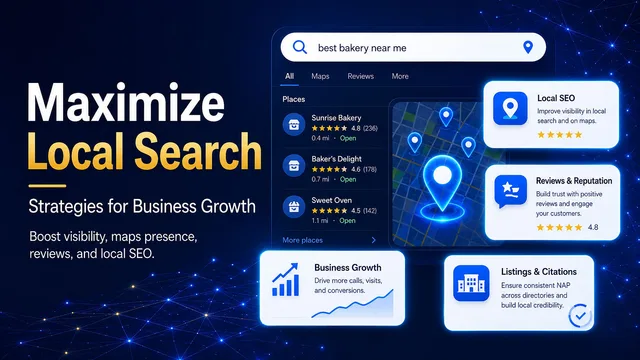
When someone searches for a local business, they are not just looking at a name and phone number. They are comparing ratings, review snippets, photos, services, hours, distance, and the website behind the listing in a matter of seconds.
That is why Google reviews matter. They can support your visibility on Google Maps, but they also shape whether a real person feels confident enough to call, click, book, or request a quote. For local businesses, review strategy is part of Google Business Profile optimization, not a separate side project.
The short answer: yes, reviews can help
The important word is can. Reviews are not a magic button. A business with more reviews can still struggle if the profile is incomplete, the category is wrong, the services are unclear, the website is thin, or competitors have stronger local authority.
Think of reviews as trust signals. They help Google understand that customers interact with your business, and they help customers decide whether your business feels credible enough to contact.
Why reviews matter beyond rankings
Reviews influence two sides of local visibility: whether your business appears and whether searchers choose you once they see you.
They increase trust before someone visits your website.
They create keyword-rich language from real customer experiences.
They make your profile feel active and current.
They can improve click-throughs, calls, direction requests, and form submissions.
This is especially important on Google Maps, where customers often make quick decisions. A listing with recent, specific, helpful reviews can feel safer than a listing with thin information, outdated photos, or no visible customer feedback.
Reviews work best with a strong profile foundation
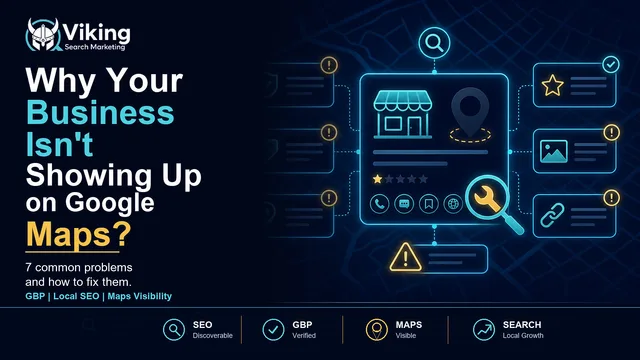
If your business is not showing up where it should, reviews may be part of the answer, but they are rarely the only issue. I wrote about several common visibility problems in Why Your Business Isn't Showing Up on Google Maps, and most of them come back to the same idea: Google needs clear, consistent signals.
Choose the right primary Google Business Profile category.
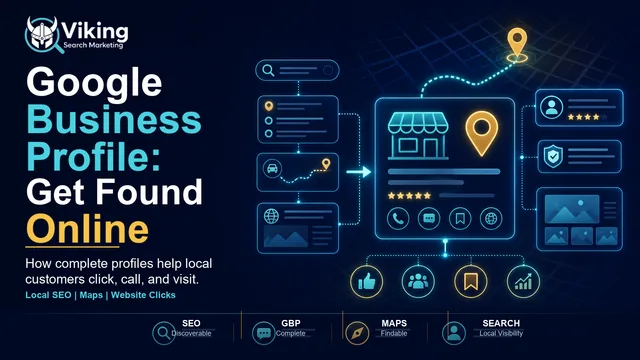
Add accurate services, service areas, hours, photos, and business details.
Make sure your website supports the same services and locations your profile targets.
Keep your name, address, phone number, and brand information consistent across the web.
Build links and local authority so your business looks prominent beyond the profile itself.
A quick example from a recent local SEO review
I recently reviewed a local business that already had a loyal customer base and a decent review history, but the profile was not doing enough work in search. The issue was not simply review volume. Their services were not clearly organized, their website did not reinforce the most important local search terms, and the profile was missing several trust signals that customers expect to see.
That is the pattern I see often: reviews help, but they perform better when the rest of the local SEO system is aligned. Once the profile, service content, and website structure support the same message, each new honest review has more context to work with.
How to earn more Google reviews the right way
Ask soon after a successful appointment, purchase, or project.
Make the review link easy to find in follow-up emails, invoices, receipts, or text messages.
Keep the ask short and simple: if we helped, your honest review means a lot.
Reply to reviews with a real response that reflects the service provided.
Build review requests into your normal customer process instead of treating them like a once-a-year campaign.
What not to do
A safer approach is steady, honest review generation from real customers. That gives Google and future customers a more accurate picture of your business.
FAQ: Google reviews and Maps rankings
Do Google reviews help you rank on Google Maps?
Google says review count and score can contribute to local ranking as part of prominence. Recent, useful reviews and professional responses can also help customers evaluate a business. Response speed and review recency should not be presented as separately confirmed Google ranking factors.
How many Google reviews do I need?
There is no universal number. A small-town service business may need a different benchmark than a competitive metro-area company. The better question is whether your review count, rating, and recency are competitive against the businesses already ranking near you.
Should I reply to every review?
Replying is a good habit. It shows customers that the business is active, attentive, and human. Responses do not need to be long, but they should be specific and professional.
Are reviews enough to rank higher?
Usually not by themselves. Reviews are strongest when your profile, website, local citations, services, and content all point in the same direction. If your foundation is weak, more reviews may help less than expected.
Want a clearer view of your Maps visibility?
If you are not sure whether reviews, categories, content, or profile setup are holding you back, start with a free visibility snapshot. Viking Search Marketing can help you understand what is working, what is missing, and whether your Google Business Profile is ready to compete in local search.